
Workshops
Playing with Light
The foundation course teaches the basics of shaping images with light — from the formation of shadows through refraction and reflection to the splitting of light into colors.
Currently in the Program · Foundation Course · 5 Days
Foundation Course
“The Language of Light”
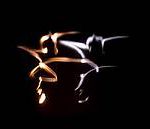
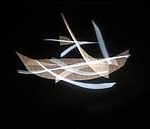
It provides a comprehensive overview of the fundamentals of shaping images with various light sources. The focus is on the formation of shadows, reflections, refractions, and polarization — the splitting of light into colors. The connection to storytelling with light and shadow is also clearly articulated and made experiential.
Duration
5 days
Level
Foundation course · no prior knowledge required
Location
Bamberg · Studio
Date
to be announced
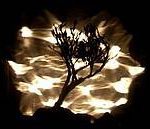
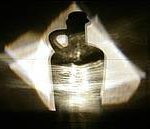
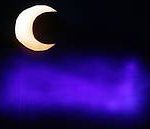
Moving Light
- Choice of light — possibilities and limits of different light sources
- Light guidance — second / third dimension, inner / outer space, rhythm of movement
- Light systems — dramaturgical possibilities of moving light
Shadow
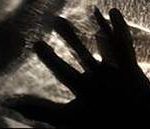
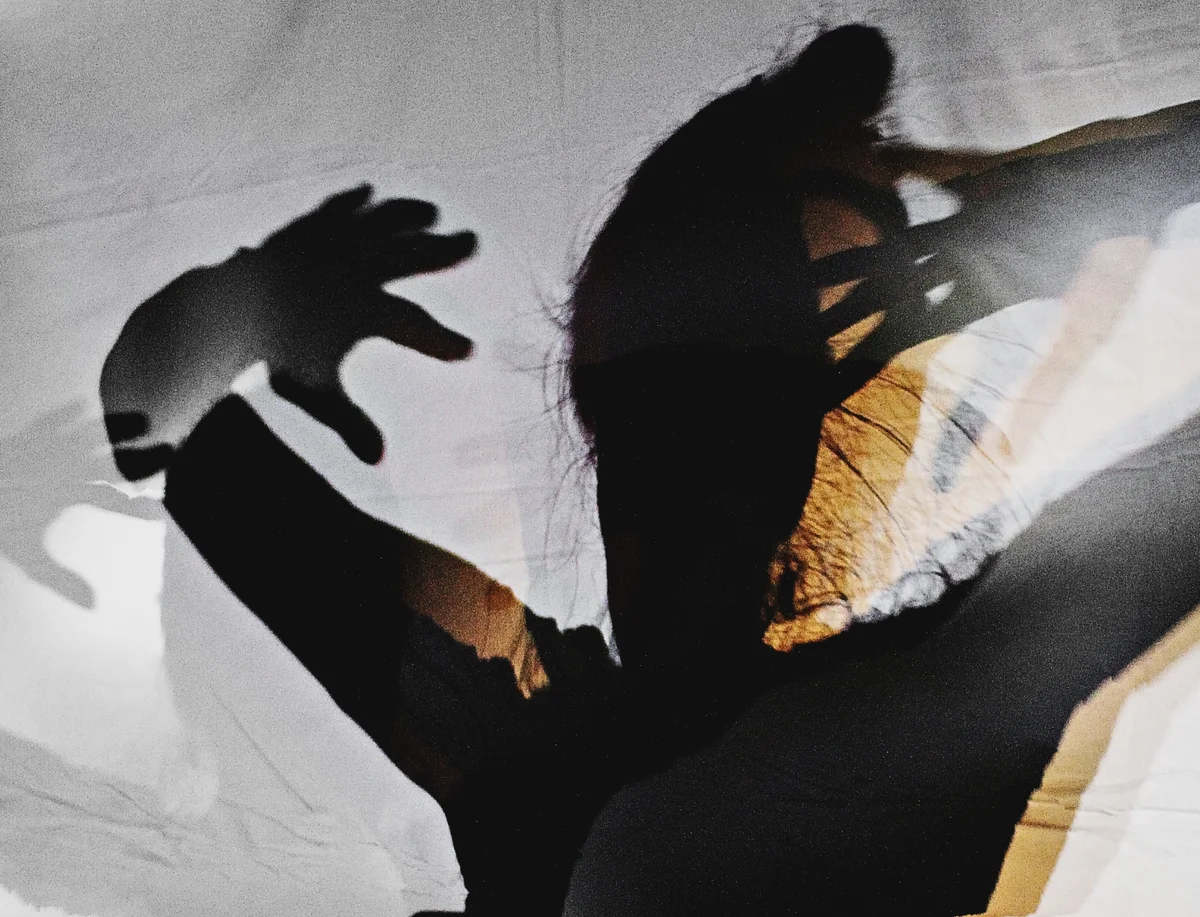
- Shadow is space — perspectives of the cut
- Shaping the image — style, reduction, background
- Shadow objects / figures — material, design, 3-D objects
- Tools and aids — glass, mirror, opaque / transparent structures
- The “open” screen — material, size, mounting, use; playing in front of the screen, staging transitions

Refraction
- Image backgrounds
- Glass curvature and cut
- Figures — layering of transparent color
- Water — moving refractions
Polarization
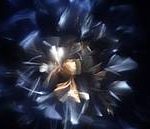
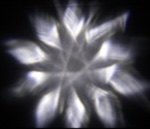
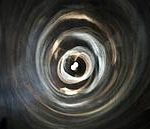
- Requirements for splitting light — light source, static conditions, contrast, possibilities and limits
- Light sources — polarizing materials
- Application — producing the images
Reflection
- Mirrors and other materials
- Mobility and rigidity
Designing and working with images
- Approaching form
- Rhythm and figure
- Still image and choreography
Archive
Other Formats
Advanced course, open-air project, and masterclass — courses and projects from previous years that are not currently offered. Click to expand for curriculum and background.
“Shaping with Light” · 5 days · Part I (3 days) + Part II (2 days) · held annually in the 2nd week of August · German and English · Recommended: prior completion of the Foundation Course.
The range of expressive possibilities is expanded through graphic work, three-dimensional shadow images, and partial-field lighting. Light as a design tool is explored in depth and made tangible. Various forms of storytelling, extending to concrete dramaturgy, are also addressed and practically tested.
It takes place annually in the second week of August in the fascinating World Heritage city of Bamberg. Prior attendance of the Foundation Course is recommended for better understanding but is not a requirement.
Part I · Light as a Tool — 3 Days
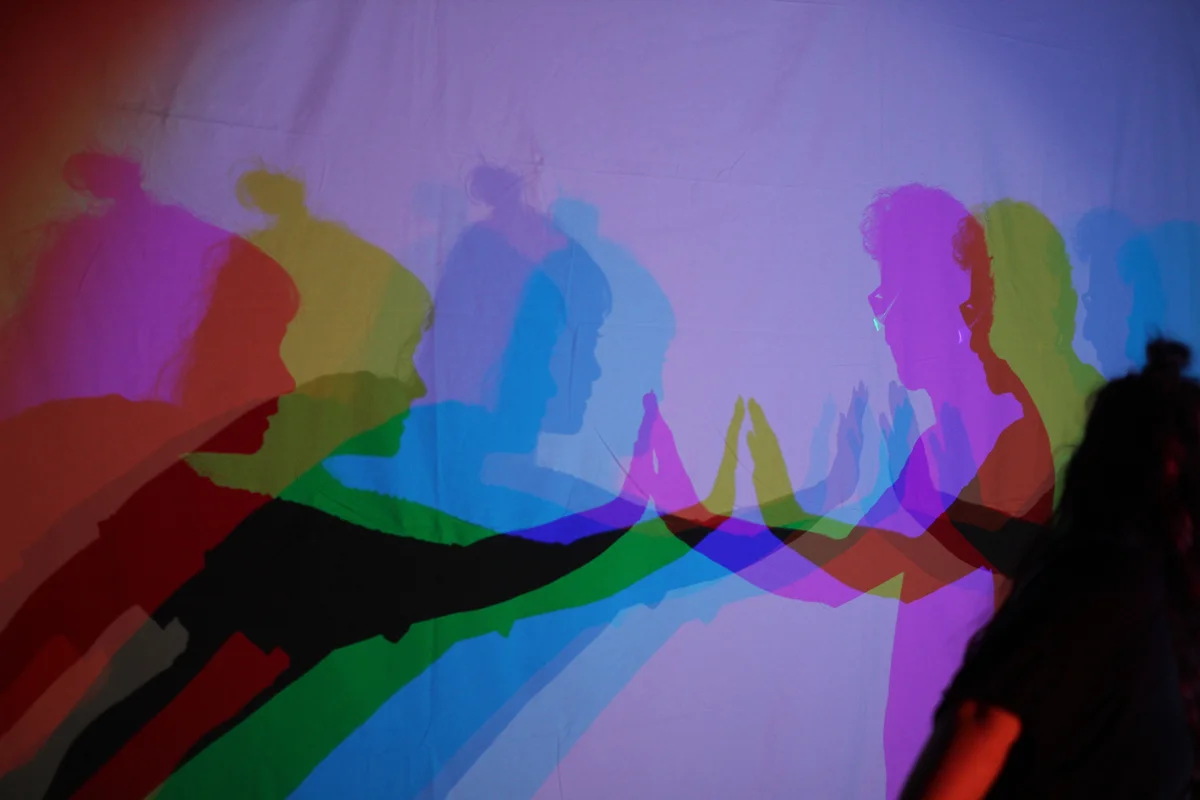
- Light sources & tools — variety of light, influencing light, primary and secondary tools (halogen, LED, overhead projector, flashlights), light combinations, colored shadows / RGB system, three-dimensional shadows, laser
- Light and composition — light and position, figure and object, structure / color / backgrounds, functional light
- Light and body — human shadows classic / colored / symmetrical, physical shadow theater, hand shadows, abstract figures, multi-field lighting
- Storytelling forms with light — the narrative stage, “archaic” storytelling, narrative postures of light, abstract storytelling
- Painting with light — origins (camera obscura, long exposure, “LPl” software), setup and stage construction, tools and techniques
Part II · From Idea to Piece — 2 Days (with director Joachim Torbahn, Thalias Kompagnons, Nuremberg)
- Dramaturgy means asking the right questions — examining the story, developing a play idea, exploring the form of play, light sources
- Concretizations — stage, light, images, figures, language, music, performer(s)
- Bringing it all together — developing scenes, scene changes, small islands
Open-air project · 5 days · Monday, August 8 – Friday, August 12 · Pagoda in Hainpark, Bamberg · Result: a small variety program.
Light as energy is always present. It cannot be used up, and we use it wastefully. It illuminates our nights until they lose their magic — light in abundance. And because so much of it is there, we no longer notice it. If we look the other way, something strange happens: the darker the surroundings, the more valuable and magical the light appears to us. Nowhere does it shine as intensely as in a completely dark space.
In this dark space, there are essentially four ways we can play with light. The energy of light forms the backdrop, the brightness — but every change to its straight path creates an image on the screen. Everything is based on the immutable law that light travels in a straight line.
- Shadow — something stands in the light’s way
- Reflection — the light is thrown back
- Refraction — the light changes medium
- Splitting — the light breaks apart into colors
We explore these “geometric spaces of light” and play with the four possible movements. In the end, we condense the images we’ve found into a small variety program, which we perform in a pagoda in the romantic Hainpark.
Masterclass · 5 days · August 12–16, 2019 · German and English · Expedition instead of instruction.
Light is a great magician. Many of its abilities remain unexplored by us to this day. Even in contemporary shadow theater, there are still areas that have barely been explored.
Meanwhile, a new generation of light sources has emerged: from decades of experience in shadow theater and the skills of two electronics specialists, light sources have been created that greatly expand the dramaturgical possibilities. This workshop is a shared journey of discovery — without traditional instruction, with the certain knowledge that we will encounter a few wonders along the way.
Fundamentals · Introduction & Light Systems
- Requirements for light — shadow, reflection, refraction, polarization, mirroring; handling, interference-free connections, brightness, projection sharpness, dimmability, aperture, tripod, interchangeable system for color / structure / polarization
- Every light source is unique — working out its strengths — the how and why, with examples
- Light systems — halogen open & enclosed, LED, flashlights, the magnetic system with attachments
- Dramaturgical-stylistic devices — doubling, symmetry / cross-fading, light / dark / large / small, distortion, refraction and mirroring
The Journey · Seven Expeditions — each with a question
- Manipulation of light — Can images be thought from light itself?
- Working with lenses — How does light transport information?
- Mirrors and reflections — Does mirrored light show me the same image?
- Minimalist play — Can I tell a story with just light and screen?
- Fairy tales: primal images of our imagination — How do I bring blurred images into the light?
- Elements: earth, fire, water, air — Can I kindle a fire with light?
- Painting with light — How does light remain, once the lamp is off?
Tutorials on YouTube
A series of 17 videos introduces the techniques and playing methods of modern shadow theater step by step — ideal for preparation or practicing at home.